
Storm damage to roofs is a significant concern for many homeowners in Tennessee, especially given the frequency of severe weather events like hail and strong winds. Understanding how to effectively assess roof damage, navigate the repair process, and manage insurance claims is crucial for any homeowner facing such challenges. This comprehensive guide aims to equip you with the necessary knowledge to assess storm damage, ensure proper repairs, and successfully navigate insurance claims tailored specifically to Tennessee’s unique conditions. With a clear strategy, homeowners can take proactive steps in safeguarding their properties and ensuring a fair resolution of insurance matters. The following sections delve into the most common types of storm damage, the assessment process, steps to file insurance claims, and considerations for choosing the right contractors.
What Types of Storm Damage Affect Tennessee Roofs Most Often?
Storms in Tennessee can result in various types of roof damage, primarily arising from hail and wind. Both types can compromise the integrity of roofing materials and lead to costly repairs if not addressed promptly. Recognizing these types of damages is the first step towards successful roof maintenance and repair.
How Does Hail Damage Impact Your Roof in Tennessee?
Hail damage can range from minor dents to significant cracks in roofing materials. This type of damage often goes unnoticed until it causes leaks or other serious issues. Signs of hail damage include bruised areas on shingles, broken tiles, and visible dimples that affect the roof’s protective layer. Untreated hail damage can lead to substantial long-term risks, including water infiltration and structural compromise.
What Are the Signs and Risks of Wind Damage on Tennessee Roofs?
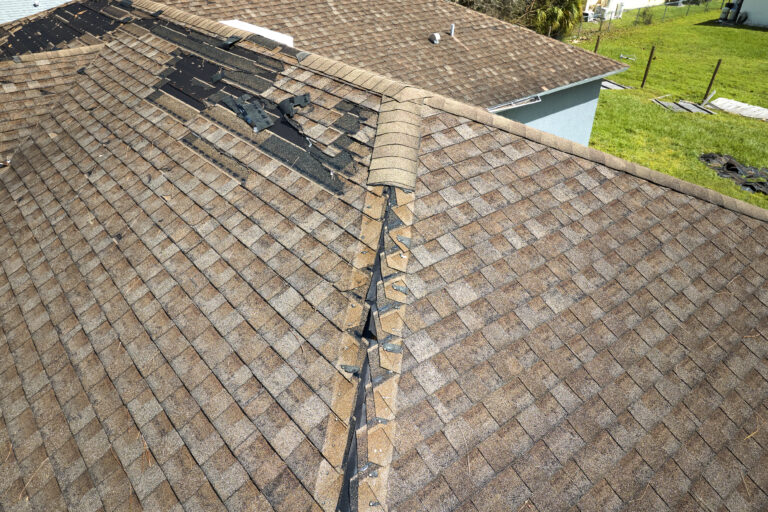
Wind damage is another prevalent issue, particularly during thunderstorms and tornado events. Homeowners should look for lifted shingles, torn membranes, or even entire sections of roofing materials missing. If wind damage is not addressed swiftly, it can expose the underlying roofing structure to moisture and cause progressive deterioration, leading to more expensive repairs down the line. Inspecting roofs after significant wind events is essential to mitigating these risks.
How to Conduct a Roof Storm Damage Assessment in Tennessee?
Conducting a thorough roof damage assessment is vital for determining the extent of damage and planning the subsequent repair actions. A professional assessment can unveil often hidden damages and help homeowners document these for their insurance claims.
What Are the Steps for a Professional Roof Damage Inspection?
- Initial Visual Inspection: Roofers perform a visual inspection from the ground and subsequently from the roof to identify visible damages.
- Use of Tools: Professionals utilize tools like moisture meters and infrared cameras to detect moisture under the roof surface.
- Reporting Findings: The findings are documented comprehensively for a clear understanding of the damages, which aids in the repair process and insurance claims.
How to Document Roof Damage for Insurance Claims in Tennessee?
Proper documentation of roof damage is crucial when filing insurance claims. Homeowners should take the following steps:
- Photographic Evidence: Capture detailed photographs of all visible damage, including close-ups and wide-angle shots.
- Written Reports: Compile a narrative of events leading to the damage, including dates and descriptions of the storm.
- Professional Assessments: Hiring a contractor to provide a formal report increases credibility and supports the homeowner’s claim.
How to File a Roof Insurance Claim in Tennessee: A Step-by-Step Guide
Filing an insurance claim for roof damage can be a complex process filled with specific requirements. Understanding how to navigate this efficiently can significantly impact the outcome.
How to Navigate Tennessee’s Roof Storm Damage Insurance Policies?
Navigating insurance policies specific to Tennessee involves understanding available coverage. Homeowners should examine the terms of their policies regarding storm damage, focusing on:
- Types of Coverage: Policies can differ in coverage for hail, wind, or extensive storm damage.
- Common Exclusions: Recognizing common exclusions can prevent future claim denials.
- Tennessee-Specific Considerations: Being aware of regulations that may affect coverage can help in preparing claims effectively.
When and How Should You File Your Roof Damage Claim in Tennessee?
Timing is critical when filing a roof damage claim. Homeowners should aim to file their claims as soon as possible following storm damage. The essential steps in filing include:
- Reviewing Policy Terms: Familiarize yourself with the required documentation and deadlines.
- Submitting Claims Promptly: It’s advisable to file within the stipulated time frame, usually mandated by insurance policies.
- Avoiding Common Mistakes: Homeowners should ensure they provide thorough and accurate information to avoid delays or denials.
How to Choose the Right Roofing Contractor for Storm Damage Repair in Tennessee?
Selecting a qualified roofing contractor is essential for high-quality storm damage repairs. This selection process ensures that repairs are performed correctly and safely.
What Credentials and Ratings Matter for Tennessee Roofing Contractors?
Homeowners should consider the following when evaluating contractors:
- Licenses and Insurance: Ensure that contractors hold valid licenses and insurance coverage.
- Customer Ratings: Online reviews and customer testimonials provide insight into the contractor’s reliability.
- Referrals and Recommendations: Seek referrals from friends, family, or your insurance agent for trustworthy recommendations.
What Emergency Roof Repair Services Are Available After Storms in Tennessee?
In the wake of a storm, numerous emergency roofing services can assist homeowners quickly. Services typically include:
- Temporary Tarps: Emergency roofing companies often install tarps to prevent further water damage until permanent repair can be made.
- Debris Removal: Services include clearing away broken branches, shingles, or other materials that could cause additional issues.
- 24/7 Availability: Many contractors offer round-the-clock services to respond to urgent repair needs immediately.
What Are Typical Roof Repair Costs and Warranty Options for Storm Damage in Tennessee?
Understanding the costs associated with roof repairs is vital for budgeting purposes and ensuring value for the services rendered.
How Much Does Hail and Wind Damage Roof Repair Usually Cost in Tennessee?
Repair costs due to hail and wind damage can vary widely based on the type of roof and the extent of the damage. On average, homeowners can expect to pay between:
- $200 – $500 for minor repairs
- $1,000 – $3,000 for moderate damage
- $3,000 – $10,000 for severe situations requiring extensive repairs
What Warranty Coverage Should Homeowners Expect Post-Repair?
After repairs, homeowners should expect warranty coverage that typically lasts between 1 to 10 years. Key aspects include:
- Workmanship Warranty: Covers defects in the contractor’s work, ensuring proper installation.
- Material Warranty: Provided by manufacturers, covering defects in roofing materials used in repairs.
- Exceptions and Limitations: It’s critical for homeowners to understand what is specifically covered or excluded in the warranty terms.
What Are Common FAQs About Storm Damage Roof Repair and Insurance in Tennessee?
Homeowners often have pressing questions regarding storm damage. Addressing common inquiries fosters awareness and preparedness.
How Quickly Should You Act After a Storm To Protect Your Roof?
Prompt action after a storm is crucial. It is advisable to begin inspections and repairs as soon as conditions permit. Delay could lead to further damage due to leaks or deteriorating materials resulting from exposure.
Can Insurance Deny Wind or Hail Damage Claims on Tennessee Roofs?
Yes, there can be instances when insurance will deny claims for wind or hail damage. Common reasons for claim denial may include:
- Incomplete Documentation: Lack of supporting evidence can lead to claim rejection.
- Policy Exclusions: Specific types of damage may be excluded under certain policies.
- Non-Covered Causes: Damage due to improper maintenance or neglect is often not covered.
This guidance empowers homeowners in Tennessee to navigate the storm damage landscape effectively, ensuring they have the tools and knowledge needed to protect and maintain their homes post-storm.