Tennessee’s climate is hard on roofs. Hot, humid summers push temperatures on a dark asphalt roof surface well above 150 degrees. Spring storm seasons bring hail, high winds, and heavy rain. Ice storms in winter — while less frequent — create freeze-thaw cycles that accelerate deterioration. And the humidity year-round creates ideal conditions for algae and moss growth that break down shingle granules over time.
Most homeowners cannot easily see the top of their roof, which means problems build quietly until something goes obviously wrong. Knowing what to look for — from ground level and inside your home — helps you catch issues before they become expensive emergencies.
Signs You Can See From the Ground
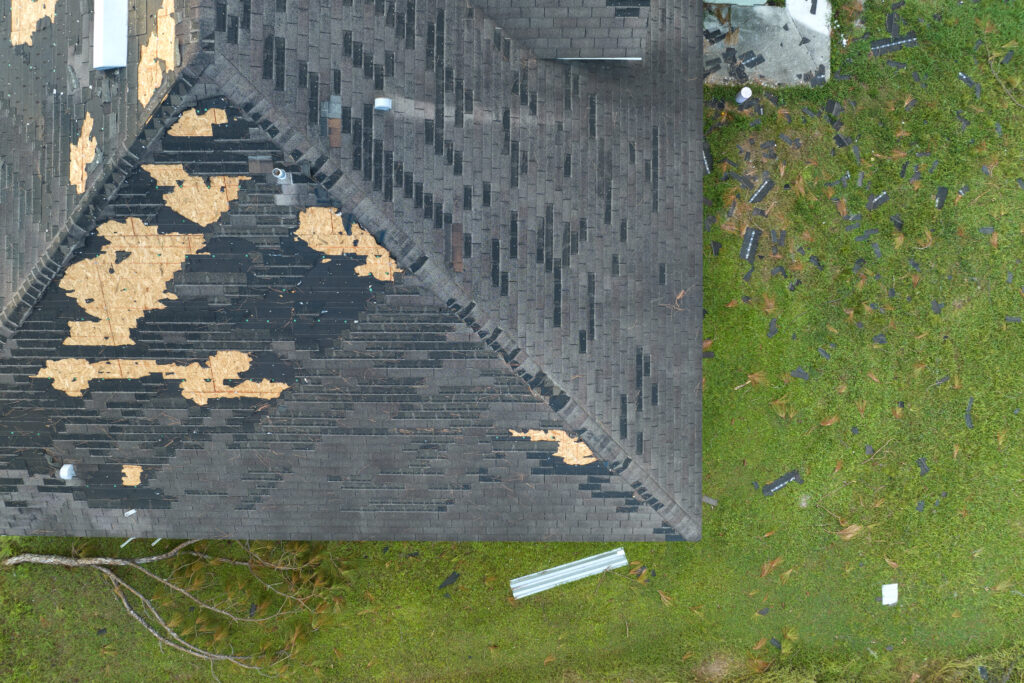
Missing, curling, or buckling shingles
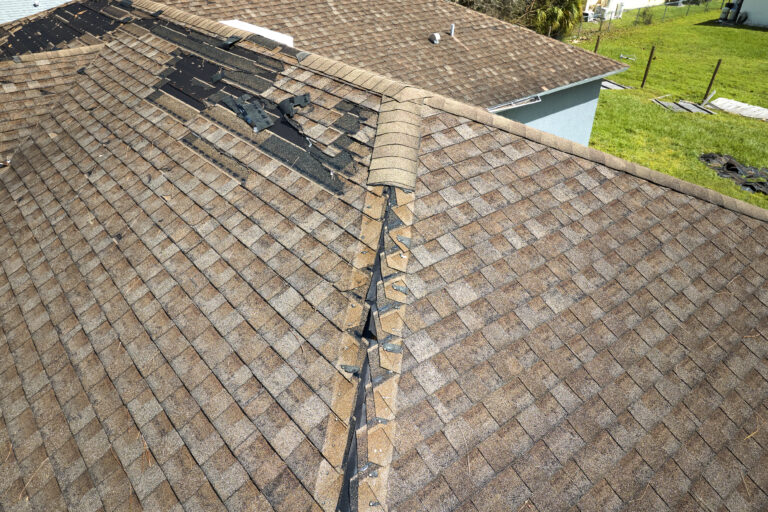
Shingles that are missing entirely or visibly curling at the edges are past their service life. Curling happens when the shingle loses its flexibility — a sign that the asphalt is drying out and the granules are washing away. Once shingles begin curling, the underlying roof deck is no longer adequately protected from water infiltration.
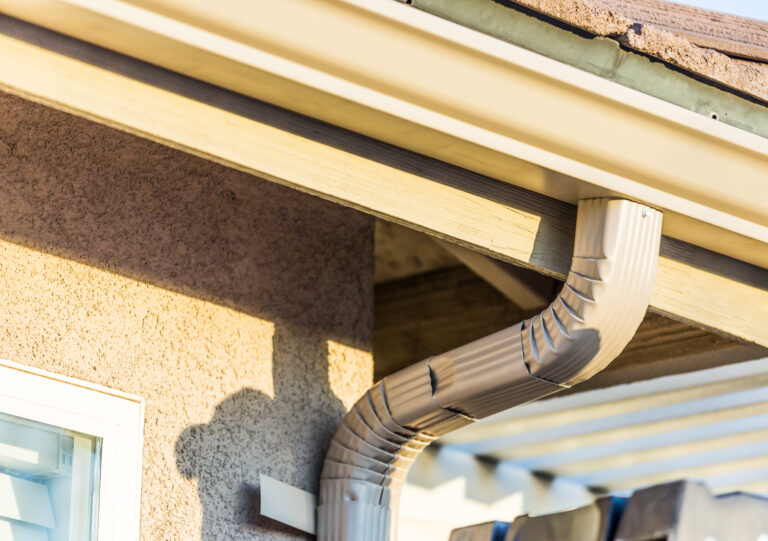
Granule loss in gutters
Asphalt shingles are coated with granules that protect the underlying asphalt from UV radiation and extend the shingle’s life. As shingles age — or after significant hail damage — granules wash off and collect in gutters and downspouts. A handful of granules after a heavy storm is normal. Consistently heavy granule loss is a sign the shingles are nearing the end of their life.
Sagging roof sections
A roof that visibly sags between rafters or along the ridge line has a structural problem. This typically indicates water-damaged or rotted decking, and in some cases compromised rafters. Sagging is a serious issue that requires immediate professional assessment — it does not resolve itself and gets worse over time.
Dark staining or moss and algae growth
Black streaks are typically blue-green algae that feed on the limestone filler in asphalt shingles. While algae itself is primarily a cosmetic issue, the moisture it retains accelerates shingle deterioration. Moss is more problematic — its root structure physically lifts shingles and allows water underneath. Both are common in Tennessee’s humid climate, particularly on north-facing roof sections that receive less direct sun.
Visible damage after a storm
After any significant hail event or high-wind storm, it is worth having your roof inspected even if you cannot see obvious damage from the ground. Hail impact damage — circular dents in shingles that knock granules loose and crack the asphalt mat beneath — is often invisible from ground level but creates points of vulnerability that lead to leaks over time. Tennessee insurers are well aware of hail patterns in Middle Tennessee and many claims are legitimate even when the homeowner sees no visible damage.
Signs You Can See From Inside Your Home
Water stains on ceilings or walls
Brown or yellow water stains on interior ceilings or walls typically indicate a roof leak that has already found its way through the decking and insulation. By the time water stains are visible inside, the leak has usually been active for a while. The source of the leak on the roof may not be directly above the stain — water often travels along rafters or insulation before dripping through the ceiling.
Daylight visible in the attic
If you can see daylight coming through your attic during the day, water can get in during a storm. Small gaps around penetrations, failed flashing, or cracked ridge caps are common culprits. An attic inspection is one of the most revealing things a homeowner can do to understand the condition of their roof.
Unexpected Increases in Energy Bills
A roof that is no longer providing adequate insulation — due to compromised decking, saturated insulation, or poor ventilation — can significantly increase heating and cooling costs. If your energy bills have increased without a clear explanation, your roof and attic may be part of the problem.
How Old Is Your Roof?
Age alone is one of the most reliable indicators. Standard 3-tab shingles have an expected lifespan of 15 to 20 years. Architectural shingles are rated for 25 to 30 years under normal conditions. In Tennessee’s climate, actual lifespan often falls below the rated maximum — particularly for roofs that have experienced hail, high winds, or years of algae growth without treatment.
If you do not know when your roof was last replaced, your home’s closing disclosure should include this information. If you bought the house more than 10 years ago and have no record, it is worth having a professional inspection to establish its current condition.
When in Doubt, Schedule a Free Inspection
You do not need to know exactly what is wrong with your roof to call us. That is our job. Vulcan Roofing provides free inspections and a written Roofing Score Report throughout Nashville and Middle Tennessee — no pressure, no obligation, just an honest professional assessment of what your roof actually needs.
Call or text (615) 604-4858 or contact us online to schedule your free inspection today.