
As the demand for energy-efficient homes and businesses rises, Tennessee residents are increasingly exploring roofing options that not only reduce energy costs but also contribute to sustainability. Energy-efficient roofing, particularly cool roofs, utilizes materials designed to reflect more sunlight and absorb less heat than standard roofing materials. This article will delve into various roofing materials suitable for Tennessee’s climate, state building codes that promote cool roofs, environmental benefits, installation processes, and real-world performance based on case studies and testimonials. The reader will gain insights into why investing in energy-efficient roofing systems is a practical choice for both economic savings and environmental impact.
Here’s a preview of what to expect: We will first evaluate the best energy-saving roofing materials available and how they function effectively in Tennessee. Following this, we’ll cover the supporting state codes and incentives, explore the environmental benefits associated with such roofs, detail the installation techniques, and conclude with consumer experiences regarding cool roofs in the region.
Top Energy-Efficient Roofing Materials for Tennessee Properties
When considering energy-efficient roofing materials for Tennessee homes and businesses, several options stand out for their reflective properties and durability. Effective roofing materials can substantially decrease energy consumption by moderating internal temperatures. These roofing solutions include metal roofs, reflective coatings, and white roofing systems, each offering unique benefits.
How Do Reflective Roof Coatings Reduce Heat Absorption?
Reflective roof coatings significantly reduce heat absorption by increasing the roof’s solar reflectance. By reflecting a large portion of the sun’s rays, these coatings help maintain cooler roof temperatures, which translates into lower energy bills for air conditioning. They work best in warmer climates where the sun tends to be more intense, making them an ideal choice for Tennessee. Not only do these coatings improve indoor comfort, but they also extend the lifespan of the roofing materials underneath.
Are Metal Roofs or White Roofing Systems More Energy Efficient in Tennessee?
In terms of energy efficiency, both metal roofs and white roofing systems present beneficial options for Tennessee homeowners. Metal roofs are known for their durability and reflective capabilities, with many varieties featuring high solar reflectance. White roofing systems, typically made from highly reflective materials, help to keep buildings cooler in summer months. The choice between these materials often depends on specific needs such as aesthetic preference and project budget, but both can significantly contribute toward reducing energy costs when properly installed.
How Do Tennessee State Building Codes and Incentives Support Cool Roof Installations?
Tennessee actively supports the implementation of cool roofs through specific building codes and local incentives that encourage energy-efficient roofing solutions. These frameworks are vital for residents looking to invest in sustainable roofing options.
What Energy Efficiency Standards and CRRC Ratings Apply to Tennessee Roofing Materials?
Energy efficiency standards for roofing materials in Tennessee often include adherence to the Cool Roof Rating Council (CRRC) guidelines. These standards help consumers select roofing materials based on their solar reflectance and thermal emittance values. A higher CRRC rating implies better energy performance, providing a reliable means for homeowners to assess their choices. Understanding and applying these standards can lead to significant energy savings, aligning with Tennessee’s goals for sustainable living.
Which Local Incentives Encourage Adoption of Energy Efficient Roofing in Tennessee?
Local incentives designated for cool roof installations may include tax credits, rebates, and grants aimed at reducing installation costs for energy-efficient roofing. Homeowners can check with their local governments to learn about specific programs available in their areas. Such financial support plays a significant role in encouraging the transition to more sustainable roofing options, ultimately leading to widespread adoption and environmental benefits.
What Are the Environmental Benefits of Heat Reflecting Roofing Options in Tennessee?
Heat-reflecting roofing options present numerous environmental advantages. Implementing these systems contributes significantly to urban heat mitigation and overall energy consumption reduction.
How Do Cool Roofs Help Mitigate the Urban Heat Island Effect in Tennessee Cities?
Cool roofs are effective in combating the urban heat island effect, a phenomenon where urban areas experience temperatures several degrees warmer than their rural counterparts. In Tennessee, adopting cool roofing solutions can lower surrounding air temperatures, reduce the energy required for cooling, and improve overall urban livability. Cities in Tennessee have witnessed visible temperature reductions following widespread cool roof adoption, enhancing inhabitants’ comfort and health.
What Is the Role of Solar Reflectance and Thermal Emittance in Sustainable Roofing?
Solar reflectance and thermal emittance are crucial metrics in assessing the effectiveness of roofing materials. Solar reflectance measures the fraction of sunlight reflected by the roofing, while thermal emittance quantifies the material’s ability to release absorbed heat. High values in both categories are desirable for sustainable roofing, ensuring that roofs remain cooler and contribute to lower energy usage in buildings. Homeowners should prioritize these characteristics when selecting roofing materials to maximize efficiency and comfort.
How Is Cool Roof Installation Done in Tennessee for Optimal Energy Savings?
Installing cool roofs involves several critical steps that ensure the effectiveness of the roofing system while maximizing energy savings.
What Are the Common Installation Methods for Reflective Roofing Materials?
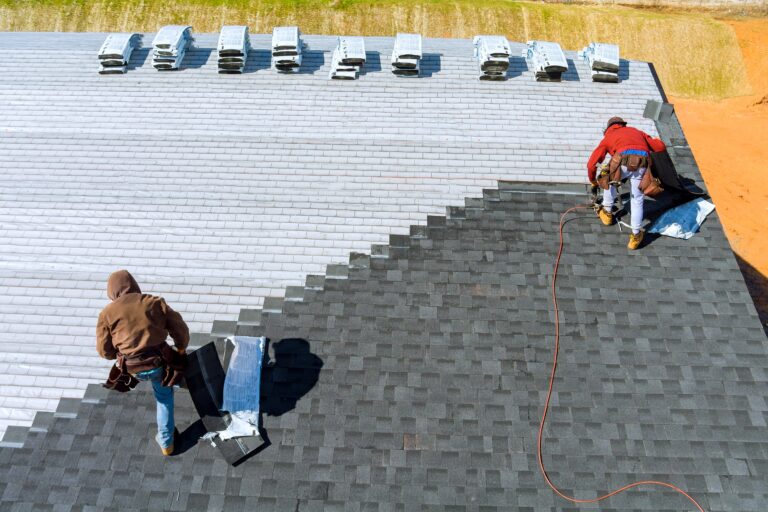
Common installation methods for reflective roofing materials include single-ply membranes, modified bitumen, and built-up roofing. Each method has unique advantages, such as ease of installation or cost-effectiveness. Professionals in Tennessee should assess the existing roof structure to recommend the most compatible installation methods that will uphold the reflective qualities necessary for energy efficiency.
How Should Maintenance Schedules Be Managed for Energy Efficient Roofs in Tennessee?
Maintenance schedules for energy-efficient roofs should be proactive and tailored to local climate conditions. Regular inspections should be conducted to identify and seal any cracks, clean the reflective surfaces to maintain optimal performance, and ensure that drainage systems are clear of debris. This attention will extend the roof’s longevity and performance, ensuring continued energy savings for homeowners.
What Do Tennessee Case Studies and Customer Testimonials Reveal About Cool Roof Performance?
Real-life examples and testimonials from Tennessee homeowners and businesses provide valuable insights into the performance of cool roofs and the energy savings experienced.
How Much Energy Savings Have Tennessee Homeowners Experienced With Cool Roofs?
Tennessee homeowners utilizing cool roofs have reported energy savings ranging between 20% and 40% on their cooling costs during peak summer months. Many have expressed satisfaction with the overall comfort it provides during hot weather while noticing noticeable reductions in their energy bills.
What Feedback Do Commercial Clients Provide About Their Reflective Roof Installations?
Commercial clients have reported favorable feedback regarding reflective roof installations, emphasizing improvements in indoor temperature control and reduced reliance on air conditioning. Many businesses highlight the long-term cost benefits associated with reduced energy consumption and lower maintenance costs due to the enhanced durability of cool roofing materials compared to traditional options.
Frequently Asked Questions About Energy Efficient Roofing in Tennessee
What Is the Best Cool Roof for Tennessee’s Climate?
The ideal cool roof for Tennessee’s climate typically features high solar reflectance and thermal emittance, which can be found in both metal and specially coated roofing materials. White roofing systems are also effective due to their reflective properties and ability to maintain cooler surface temperatures.
How Much Can You Save With Reflective Roofing Materials in Tennessee?
Homeowners can expect to save a significant percentage on their heating and cooling costs with reflective roofing materials, with potential savings between 20% to 30% depending on the existing roof condition, local weather patterns, and installation expertise. Integrating these materials represents not just a cost-saving measure but a move towards environmental responsibility.