
The roof replacement process can seem daunting, but understanding the key steps, timelines, and costs involved can make it manageable for homeowners alike. This guide aims to outline the essential components of roof replacement in Tennessee, enabling homeowners to approach the project with confidence. By detailing the inspection process, installation phases, associated timelines, and typical costs, this article serves as a comprehensive resource for any homeowner contemplating a roof replacement project. Homeowners often face challenges such as selecting the right materials, understanding labor costs, and navigating local regulations, but with the right information, these hurdles can transform into straightforward decisions. Following sections will cover the steps for roof replacement, the average time needed, and the costs involved, preparing you to make informed choices throughout the process.
What Are the Key Steps in the Roof Replacement Process in Tennessee?
The roof replacement process in Tennessee involves several crucial steps designed to ensure quality and safety. Understanding each phase is vital for homeowners embarking on this undertaking. The core stages include inspection, material selection, and the installation project management.
How Does the Roof Inspection and Assessment Work?
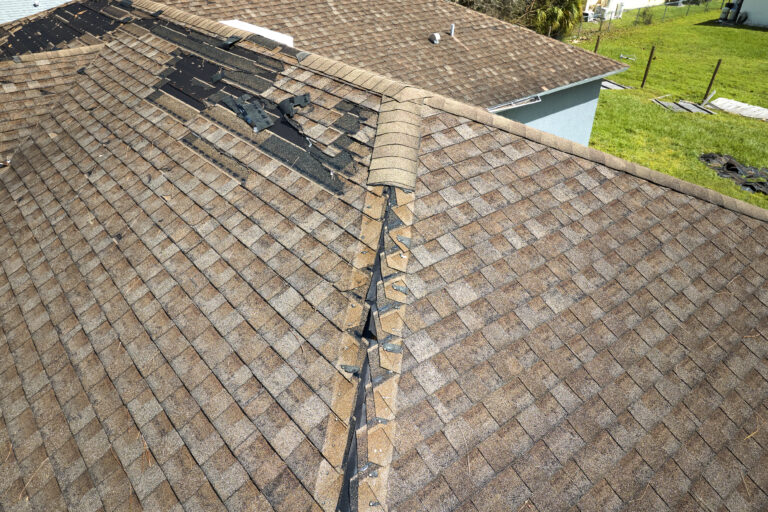
A comprehensive roof inspection begins with assessing the existing roof’s condition, identifying damages such as leaks, sagging, or missing shingles. Certified roofing contractors typically follow strict inspection standards, which include evaluating structural integrity, assessing insulation, and identifying any underlying issues that could complicate installation. Notably, common issues identified during inspections may lead to additional repairs before a new roof can be installed, emphasizing the importance of thorough assessments in the roof replacement process.
What Are the Typical Installation and Project Management Stages?
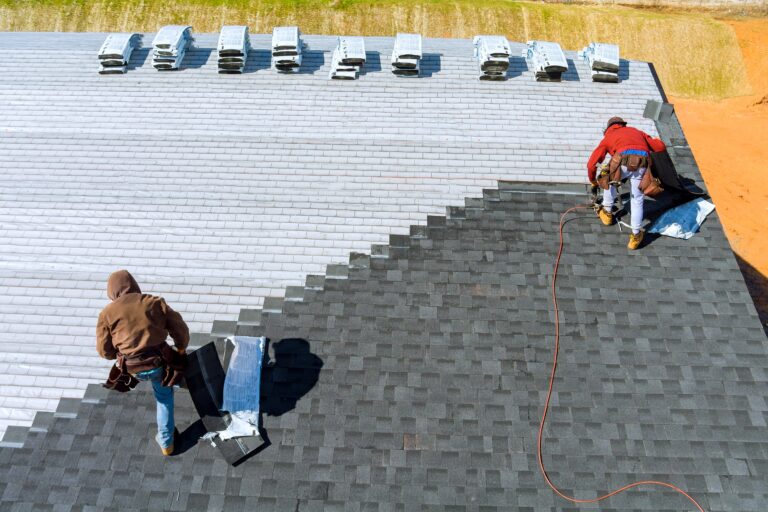
After completing the inspection, the installation phase unfolds. This involves scheduling, securing necessary permits, and coordinating with contractors to ensure timely execution. Key management stages include preparing the site, removing the old roofing material, installing the new roof, and final inspections to guarantee that everything meets safety standards. Throughout the project, effective communication between homeowners and contractors remains critical to maintaining timeline adherence and project quality.
How Long Does Roof Replacement Take in Tennessee?
The duration of roof replacement projects in Tennessee can vary significantly based on several factors, including the extent of the work and weather conditions. Understanding these variables can provide homeowners with realistic expectations regarding project timelines.
What Factors Influence the Duration of Roof Replacement?
Various elements influence the overall duration of roof replacement, including weather conditions, labor availability, and the complexity of the project. Inclement weather can delay progress, while large or intricate designs may require additional time and skilled labor to ensure quality workmanship. Homeowners should plan for potential delays when scheduling their roofing projects.
How Do Seasonal Changes Affect Roofing Timelines in Tennessee?
Seasonal changes can significantly impact roofing work in Tennessee. For example, spring and early fall often see less rainfall, making them ideal times for roofing projects. However, during peak seasons, the demand for contractors might lead to longer waiting periods. Understanding these seasonal nuances can help homeowners select the optimal time for their roof replacement.
What Are the Average Roof Replacement Costs in Tennessee?
When planning for a roof replacement, costs are a major determining factor for homeowners. Expenses typically encompass materials, labor, and permits, which can vary across different regions and complexities of designs.
How Do Roofing Material Prices in Tennessee Affect Total Costs?
Roofing material prices in Tennessee can fluctuate based on type and quality. Popular options such as asphalt shingle roofing, metal roofing, and flat roofing each carry different price ranges. For instance, asphalt shingles are generally the most cost-effective choice, while metal roofing presents a more durable but pricier option. Homeowners should evaluate the long-term benefits against upfront costs to make informed decisions about the materials they wish to use.
What Labor and Permit Fees Should Homeowners Expect?
Labor fees for roof replacement can vary significantly based on local wages and the complexity of the project. Additionally, acquiring the necessary permits may impose additional costs. Homeowners should anticipate an average labor cost of approximately $3.50 to $7.00 per square foot, while permits might range from $100 to $500 depending on local regulations and project specifics.
How to Choose the Right Roofing Contractor in Tennessee?
Finding the right roofing contractor in Tennessee is a crucial step in ensuring a successful roof replacement. Homeowners should prioritize finding trustworthy professionals who meet their specific project needs.
What Should You Look for in Roof Installation Contractors in Tennessee?
When selecting a roofing contractor, it’s essential to seek individuals with significant experience and robust qualifications. A reliable contractor should hold proper licenses and insurance, providing peace of mind to homeowners. Additionally, a strong warranty offering indicates confidence in their workmanship. Evaluating these factors can guide homeowners in making informed choices throughout their selection process.
Where Can You Find Reliable Roofing Company Reviews in Tennessee?
Potential clients can find reliable roofing company reviews on various online platforms, such as Yelp, Google Reviews, and Angie’s List. Additionally, local building boards often contain user feedback that can be invaluable in contrasting prospective contractors. Consulting these resources is beneficial to ensure a thorough analysis before making a final decision.
Navigating Tennessee Roof Permits and Local Regulations
Local regulations and necessary permits play a significant role in the roof replacement process. Understanding these requirements is essential for homeowners to avoid compliance issues.
Which Permits Are Necessary for Roof Replacement Projects?
In Tennessee, homeowners typically need a building permit to initiate roof replacement projects. Specific permits required may vary by county; however, it is standard to secure approval to ensure compliance with local codes. Homeowners should consult their local building department for precise requirements before starting the project.
How Do Tennessee Building Codes Impact Roofing Material Choices?
Tennessee building codes significantly influence the choice of roofing materials, as they dictate certain standards for safety, durability, and energy efficiency. Complying with these codes can prevent future complications and ensure the chosen materials are suitable for the region’s environmental conditions.
What Financing and Maintenance Options Are Available After Roof Replacement?
Once a roof replacement is completed, homeowners must consider both financing and ongoing maintenance. Knowledge of these areas can help in managing costs and prolonging the life of the new roof.
What Financing Solutions Can Help Manage Roof Replacement Costs?
There are several financing options available to homeowners to manage the costs associated with roof replacement. Many contractors offer financing plans that allow homeowners to pay over time, while personal loans or credit lines are additional avenues for securing necessary funds. It’s important to compare various options to find financing that suits individual circumstances.
How Should Homeowners Maintain Their New Roof in Tennessee?
Proper maintenance is vital in preserving the integrity of a newly installed roof. Homeowners should conduct regular inspections and be vigilant for signs of wear or damage. Simple tasks, such as cleaning gutters and removing debris, enhance roof longevity and prevent costly repairs in the future.