Your roof works hard every single day. It protects your home from rain, wind, heat, snow, and everything in between. While most homeowners expect a roof to last for years, many are surprised when they begin noticing changes in its appearance sooner than expected.
At Vulcan Roofing, we believe homeowners should understand the natural aging process of a roof so they can make informed decisions about maintenance, repairs, and replacement. Not every crack, stain, or curled shingle means disaster—but knowing the difference between normal wear and signs of concern is important.
Roof Aging Is a Natural Process
Just like any exterior feature of your home, your roof naturally changes over time. Even a roof that is only a year old may not look exactly like it did on installation day.
Exposure to harsh weather, sunlight, moisture, temperature changes, and seasonal shifts all contribute to the aging process. Some weathering is completely normal and does not necessarily indicate damage or failure.
When inspecting your roof, you may notice subtle changes that are more visible from a ladder or close inspection than from the ground. These normal aging characteristics often appear gradually and may not affect the roof’s ability to protect your home.
Types of Asphalt Shingles and How They Age
Asphalt shingles are one of the most common roofing materials used in residential roofing systems. Different styles of shingles may age differently over time.
Three-Tab Shingles
Three-tab shingles are the traditional and most recognizable style of asphalt roofing. They feature a flat, uniform appearance and are commonly used for cost-effective roofing systems.
Laminated Shingles
Also known as architectural shingles, laminated shingles are built with multiple layers bonded together. This creates a thicker, more dimensional look while adding durability and protection.
Luxury Shingles
Luxury shingles are premium roofing products designed to resemble slate or cedar shake roofing. They are heavier, more textured, and often offer enhanced weather resistance.
No matter the style, all shingles experience natural weathering over time.
Normal Roof Aging vs. Signs of Concern
Understanding what is normal versus what may require professional attention can help prevent unnecessary worry.
Common Signs of Normal Roof Aging
As shingles age naturally, homeowners may notice:
- Slight granule loss
- Minor curling at shingle edges
- Algae discoloration or dark streaking
- Mild weather-related fading
- Small cosmetic changes in texture
These conditions are often expected as shingles endure years of exposure to the elements.
Signs That May Require Professional Inspection
Some roof conditions go beyond normal aging and may indicate damage or premature wear.
Watch for:
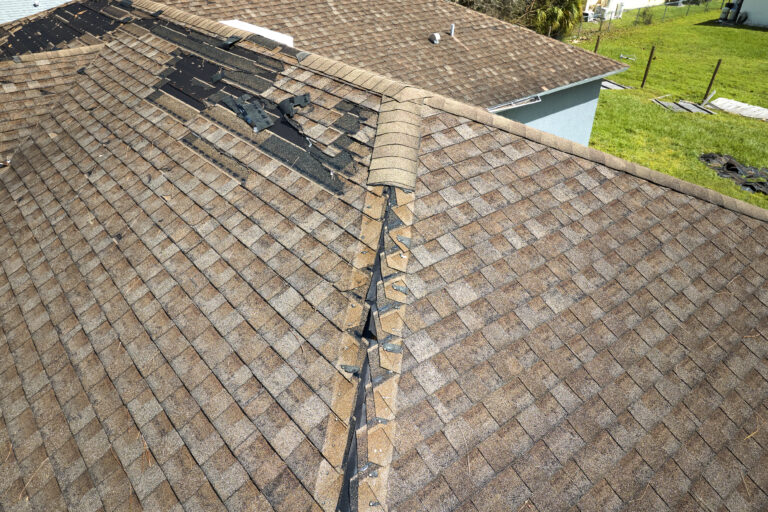
- Cracked shingles
- Open blisters exposing asphalt
- Bald spots where granules are missing
- Significant shingle curling or lifting
- Areas where underlying asphalt becomes visible
- Large sections of missing granules
If you notice any of these issues, it may be time to schedule a roof inspection.
Why Roofs Age Faster Than You Might Think
Roofs face some of the harshest conditions on your property.
Constant Sun Exposure
The sun’s ultraviolet rays slowly break down roofing materials. During hot weather, rooftop temperatures can rise far above outdoor air temperatures, accelerating wear.
Thermal Expansion and Contraction
Roofs expand and contract as temperatures change. During summer storms, a roof may go from extreme heat to rapid cooling within minutes. This repeated stress can contribute to long-term fatigue in roofing materials.
Moisture and Humidity
Rain, snow, humidity, and trapped moisture can all contribute to roof deterioration. Moisture buildup may also affect roof decking beneath the shingles.
Wind, Hail, and Debris
Falling branches, foot traffic, hail, and strong winds can weaken shingles and increase wear over time.
Poor Ventilation
Proper attic ventilation plays a major role in roof performance. Without adequate airflow, excess heat and moisture can build up beneath the roof, shortening its lifespan.
What Aging Shingles May Look Like
Asphalt shingles contain oils that help keep them flexible. Over time, these oils gradually diminish due to heat, oxidation, and weather exposure.
As shingles age, homeowners may notice:
Curling
As shingles harden over time, edges may begin to curl slightly. Minor curling is often a normal part of aging, especially on older roofs.
Surface Cracking
Temperature fluctuations and aging asphalt may eventually lead to small surface cracks.
Blistering
Small raised bubbles, known as blisters, may appear on shingles. These can remain closed or eventually open.
Staining and Algae Growth
Dark streaks or discoloration are often caused by algae growth rather than dirt or soot. These stains are more visible on lighter-colored roofing materials.
The Life Cycle of a Roof
Most asphalt roofing systems go through several stages during their lifespan.
Early Stage
Shortly after installation, shingles begin their curing process. Minor granule loss or slight curling may appear during this stage.
Mid-Life Stage
During the middle years of a roof’s life, aging typically slows. Shingles continue to weather gradually while maintaining protection.
Declining Years
As a roof reaches the later stage of its lifespan, visible aging accelerates. Cracking, curling, and granule loss become more noticeable, and homeowners often begin considering replacement.
When Should You Be Concerned?
While natural aging is expected, some conditions should not be ignored.
Large areas of granule loss, exposed asphalt, severe cracking, or widespread damage can reduce a roof’s ability to protect your home.
Damage caused by hail or storms may also shorten a roof’s lifespan and should be inspected promptly. In some cases, homeowner’s insurance may help cover storm-related roofing issues.
Protect Your Roof with Professional Inspections
The best way to understand your roof’s condition is through routine inspections.
At Vulcan Roofing, we help homeowners identify whether roofing changes are part of normal aging or signs of a larger issue. Regular roof inspections can catch problems early, extend the life of your roofing system, and provide peace of mind.
If you’ve noticed curling shingles, granule loss, stains, or other changes, our team is here to help.
Schedule a Roof Inspection with Vulcan Roofing
Your roof is one of the most important investments in your home. Understanding how it ages can help you avoid unnecessary worry while recognizing when professional attention is needed.
Whether your roof is brand new or decades old, Vulcan Roofing provides trusted inspections, repairs, and replacements designed to protect your home for years to come.
Contact Vulcan Roofing today to schedule a professional roof evaluation and learn more about the health of your roof.